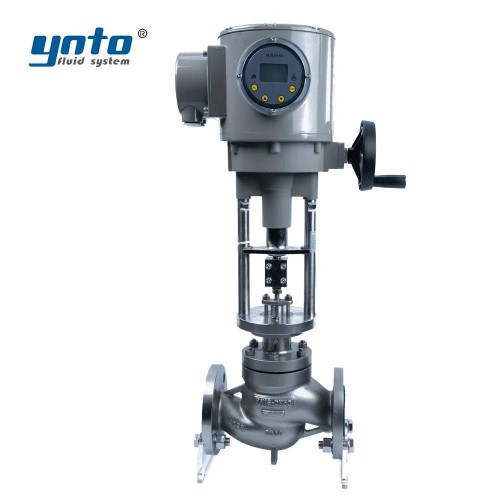
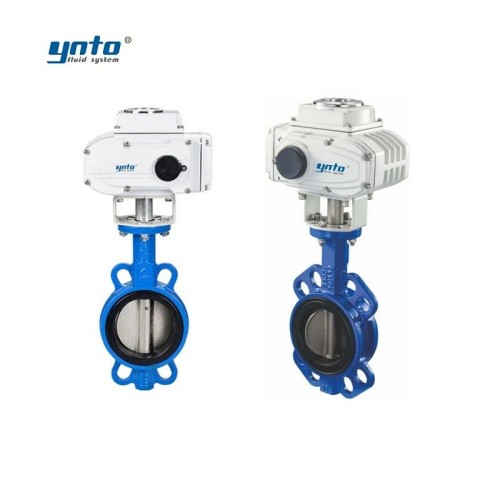
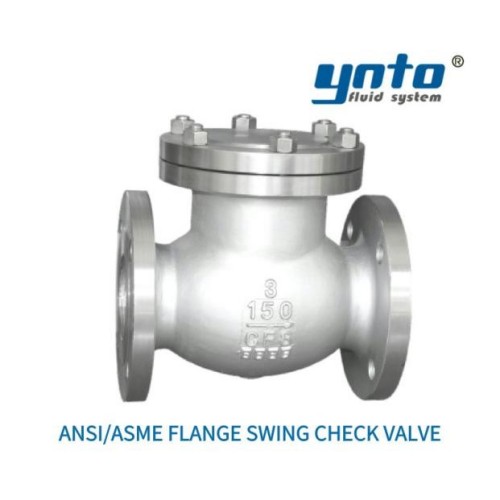
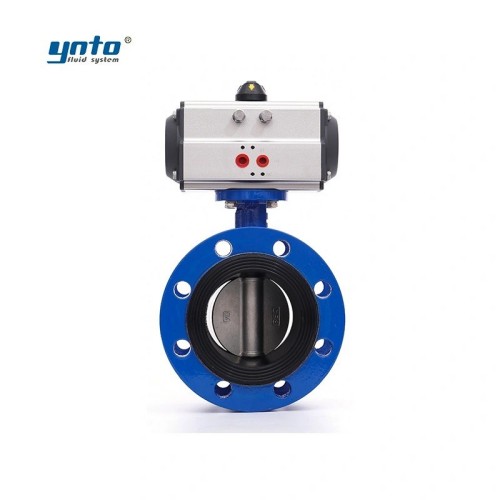
Industrial automation systems demand highly reliable and precise flow control. Standard valves can fall short when faced with unique application requirements, from extreme temperatures to specialized control protocols. This is where a custom electric valve solution comes into play. By tailoring valves to specific needs, engineers achieve smoother operations, enhanced safety, and greater efficiency – essentially transforming how automation processes run on the factory floor.
Electric valves are transforming industrial automation with precise flow control, energy efficiency, and smart integration. Explore their benefits over traditional valves, the trends driving adoption, and what the future holds.
Stuck valves, delayed shutdowns – an electric actuator failure wreaks havoc. Discover how heavy-duty gearing, torque limiters, sealed enclosures (IP68), and thermal protection make electric valve actuators reliable and durable.
Beside a hightemperature steam pipeline in a chemical plant, an engineer notices that a valve is hard to close and a faint hiss of escaping steam. Viewed through an engineer’s eyes, this article explains how valve actuators work, analyzes cause–effect chains such as pressure fluctuations and seal aging, and discusses solutions like electric actuators. It also touches on material selection, safety standards and how to improve reliability.